


Recent Articles

Article Center
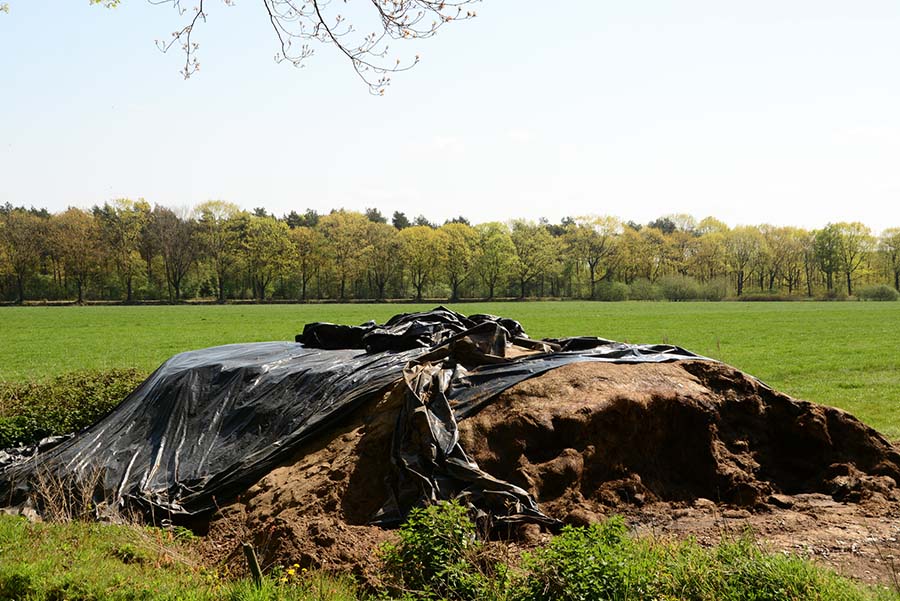
Addressing Challenges With Silage Cover Integrity
Is your silage cover damaged or leaking? Protect your investment with practical tips on identifying, repairing, and preventing common silage cover problems.
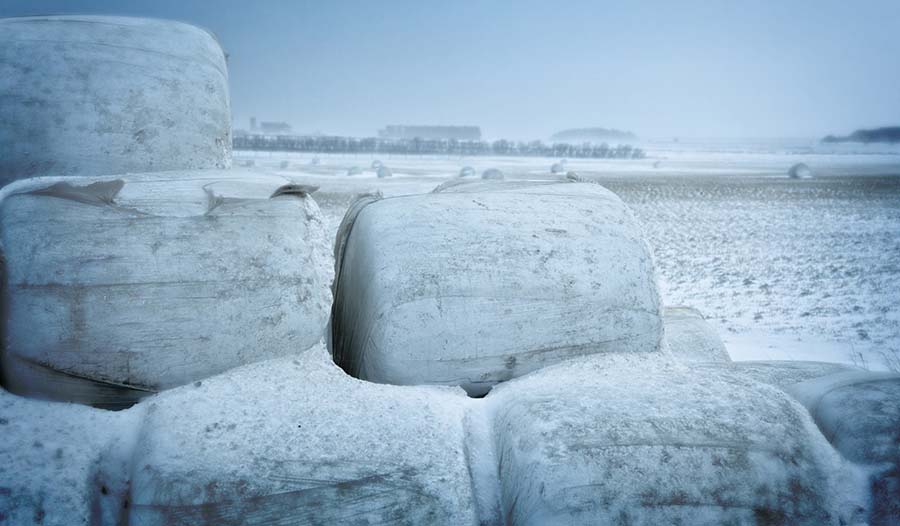
Addressing Environmental Threats to Silage Covers
Wind and UV radiation can wreak havoc on your silage covers. Learn how to protect them, identify signs of trouble, and take measures to extend their lifespan.
Silage Covers and Animal Health: Ensuring Safe and Nutritious Feed for Livestock
Explore how quality silage covers protect and improve animal health and your bottom line by preventing mold, preserving nutrients, and enhancing palatability.
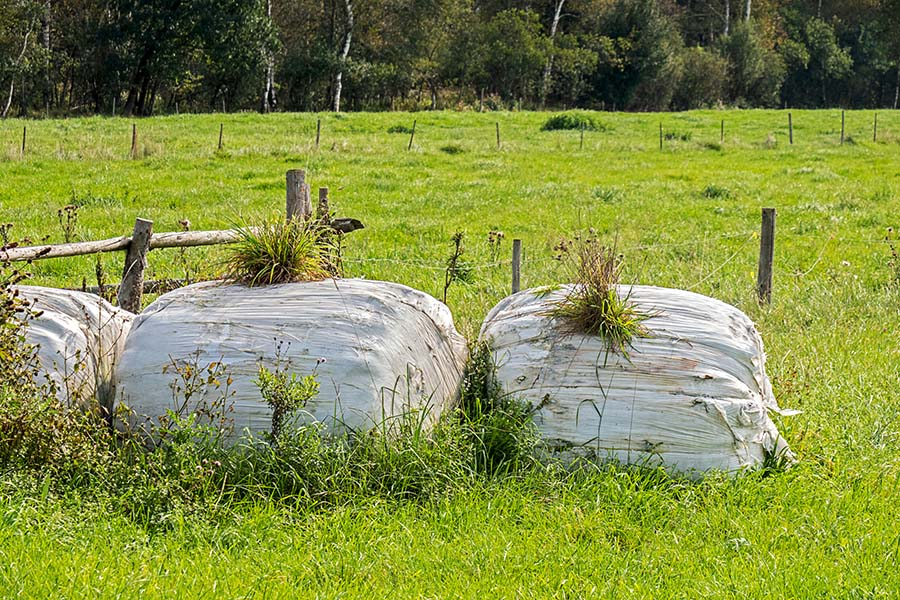
Extending Silage Life: Tips for Proper Silage Cover Management
Discover essential maintenance and repair tips to care for your silage covers and protect your feed. Includes cleaning, storage, inspection, and repair tips.
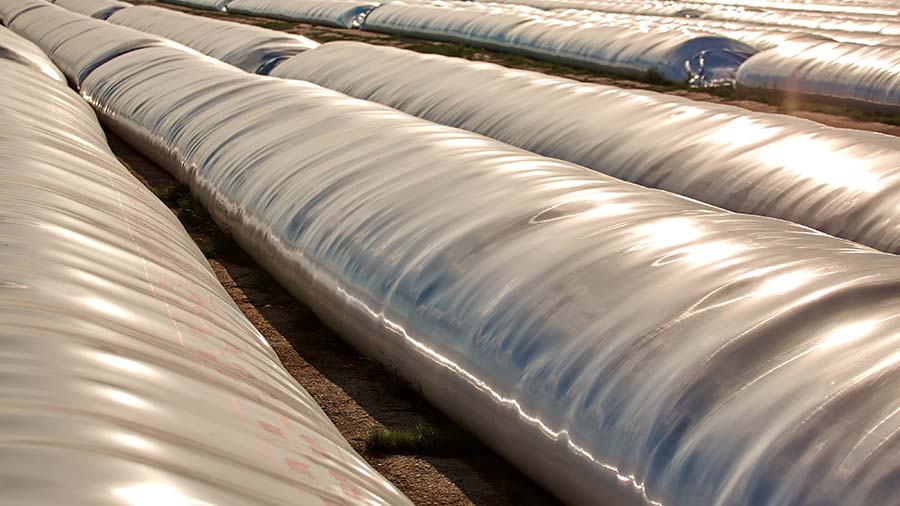
Silage Covers: Finding the Perfect Fit
Protect your silage investment! Discover key factors to consider and find the perfect cover for your bunker, trench, bag, or stack silo with our expert guide.
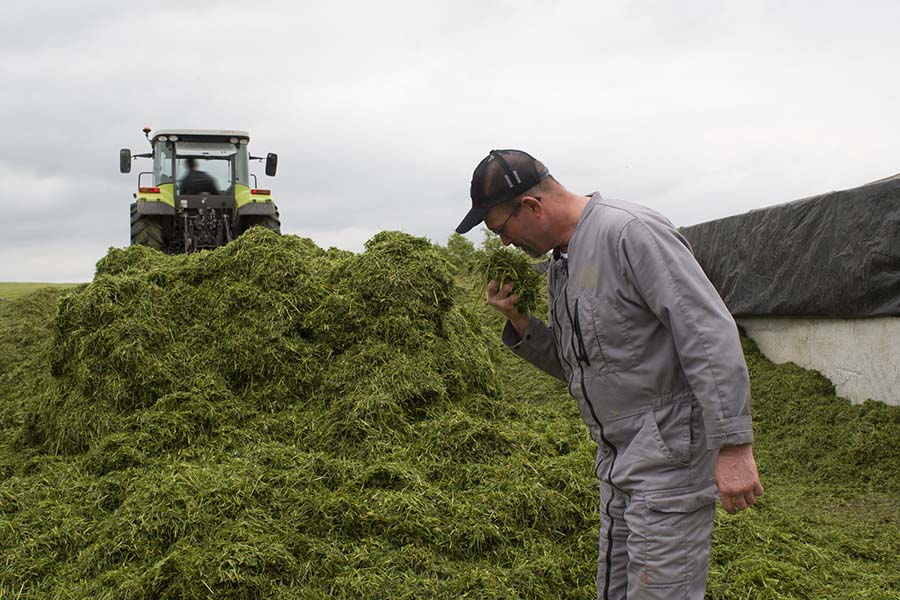
Sustainable Silage: How Covers Reduce Greenhouse Gas Emissions & Protect Resources
Learn how silage covers help reduce greenhouse gas emissions, prevent nutrient runoff, and protect valuable resources for a more profitable and sustainable farm
Silage Cover Innovations: Exploring the Latest Advancements in Cover Technology
Discover the latest innovations in silage cover technology including advanced materials, smart covers, and automation that will revolutionize silage management
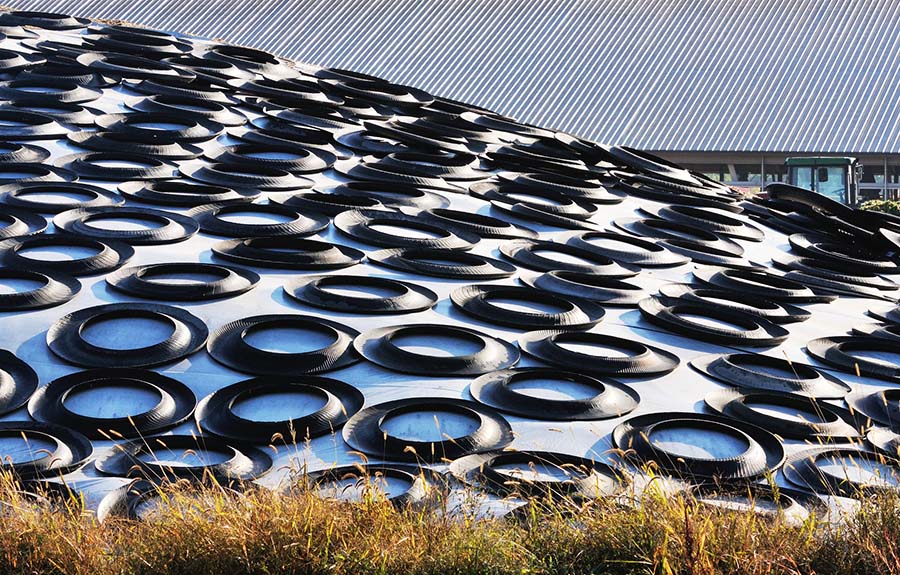
Weighing In: The Essential Guide to Silage Cover Weighting
Weight your silage cover like a pro! This guide explores effective weighting methods, common mistakes to avoid, and tips for maximizing silage quality and minimizing waste.
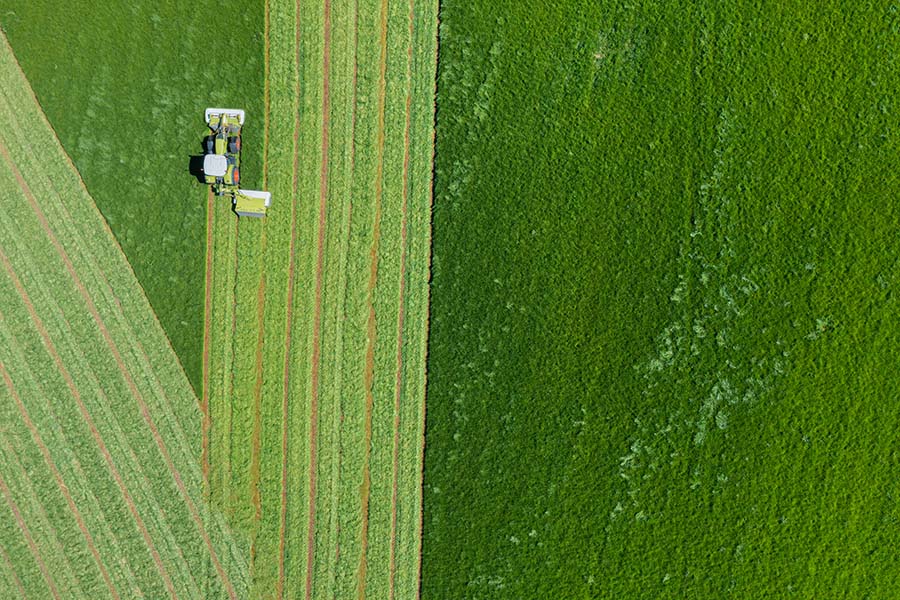
Unlocking the Secrets of Silage Covers
Is your silage at risk? Learn how the right cover prevents spoilage, preserves nutrients, and maximizes feed value to improve your farm's efficiency.
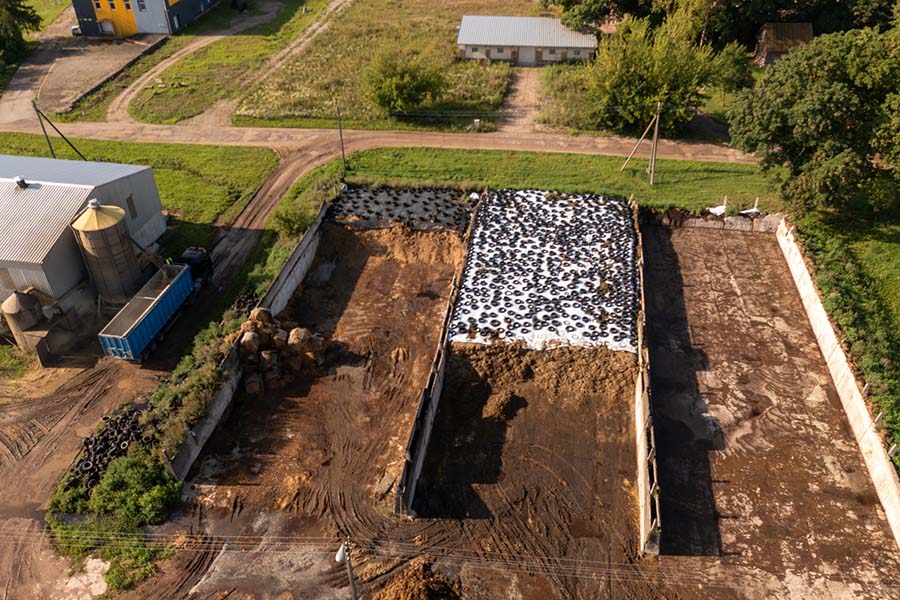
Protecting Your Silage: A Complete Guide to Covers
Tired of spoiled silage? This guide explains how to choose the right silage cover to protect your feed, reduce waste, and improve your bottom line.

Top 10 Questions about Silage
Silage is preserved because it undergoes fermentation while in storage

Selecting a Silo Cover
Silage tarps are used to ensure that your ensilage is protected from exposure to air, light, and excess moisture

Filling the Silo
Producing silage allows farmers and ranchers to preserve feed and forage for their livestock

Evaluating Silage Quality
The overall quality of finished silage can be rapidly assessed by noting color and odor.

How is Silage Made?
To take best advantage of the efficiencies offered by silage, the production of forage and silage should be integrated into a whole-farm plan.

What is Silage?
In today’s usage, silage is a type of animal feed formed when grass or other green crops of sufficiently high moisture

Ensuring Silage Covers Last Multiple Years
Once you’ve invested in a high-quality, silage cover from BTL Liners, you don’t want to replace it every year or even every few years.

Design Bunker and Cover Systems for Efficient Silage Production
With the necessity to carefully handle the cover and weight it down, some farmers end up questioning the need to cover at all.

Weighting Silage Covers
Selecting the right silage cover material is still just part of designing the total cover system.

Materials Available for Silage Covers
Knowing the size of silage cover you need is far from the only decision to make.

Challenges of Silage Production
Silage is a valuable feed and a convenient storage method for holding grain or pasture forage for months at a time.

What Goes into Producing Silage?
The silage production process follows the same basic stages regardless of the specific fermentation and storage method you choose.

The Value of Carefully Handled Silage
Silage is a high moisture forage feed, while traditionally stored hay is a low moisture forage.