


Recent Articles
Article Center

Use Case Scenario: Weathering the Storm
Can your business survive a natural disaster? See how a fictional bakery used its emergency water storage to overcome a water crisis and emerge even stronger.
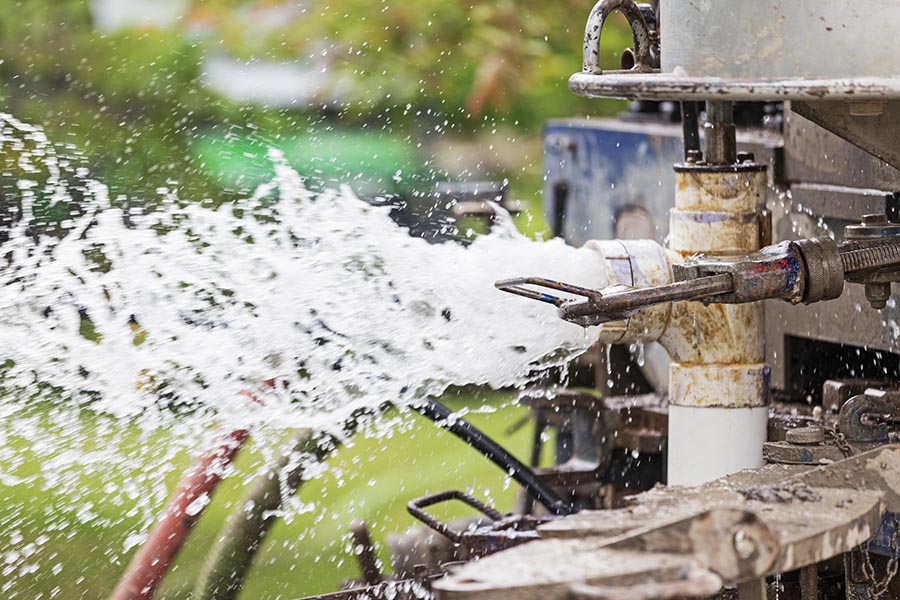
Choosing the Right Water Liner
ANSI/NSF 61 certification, material durability, UV resistance – learn what to look for when choosing a potable water liner to keep your drinking water drinkable
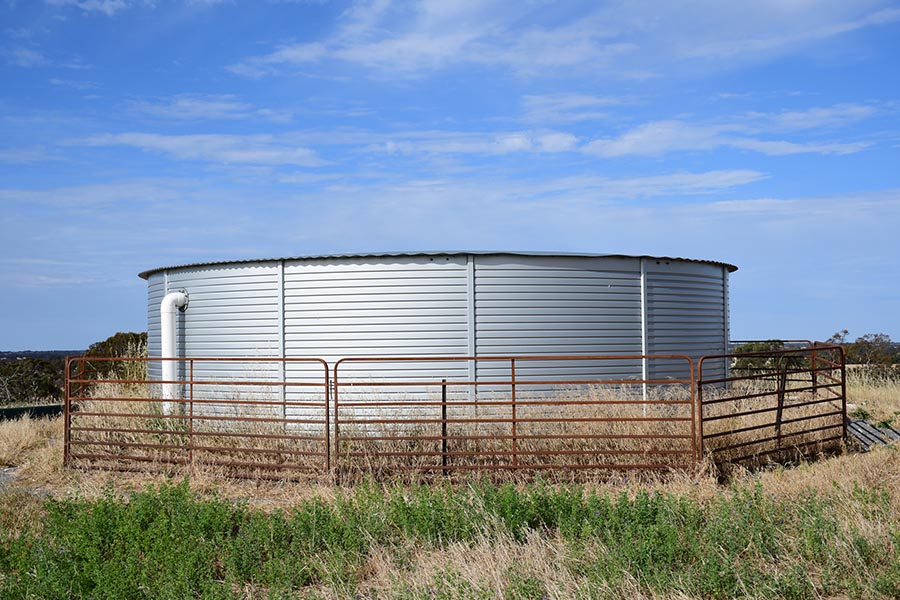
Potable Water Liners and Why They Matter
Keep your drinking water safe and pure in any emergency! Learn how potable water storage liners protect your supplies from contamination and chemical leaching.
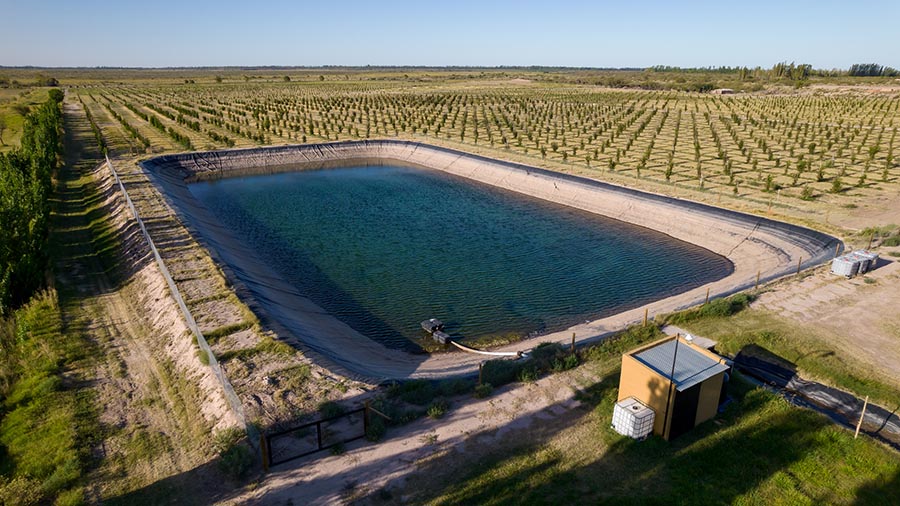
Physical Contamination and Practical Solutions
Don't let sediment ruin your emergency water supplies. Learn tips for preventing and managing physical contamination, from filtration to settling tanks.
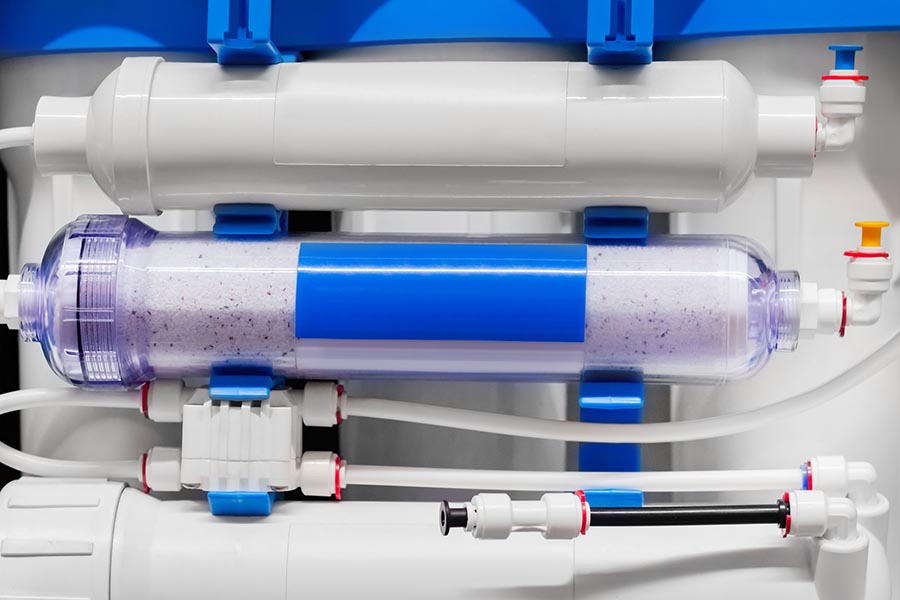
Water Treatment Options: Biological and Chemical
Storing potable water for emergencies? Learn about treatment options like filtrating, disinfecting, and purifying, and choose the strategy that works for you!
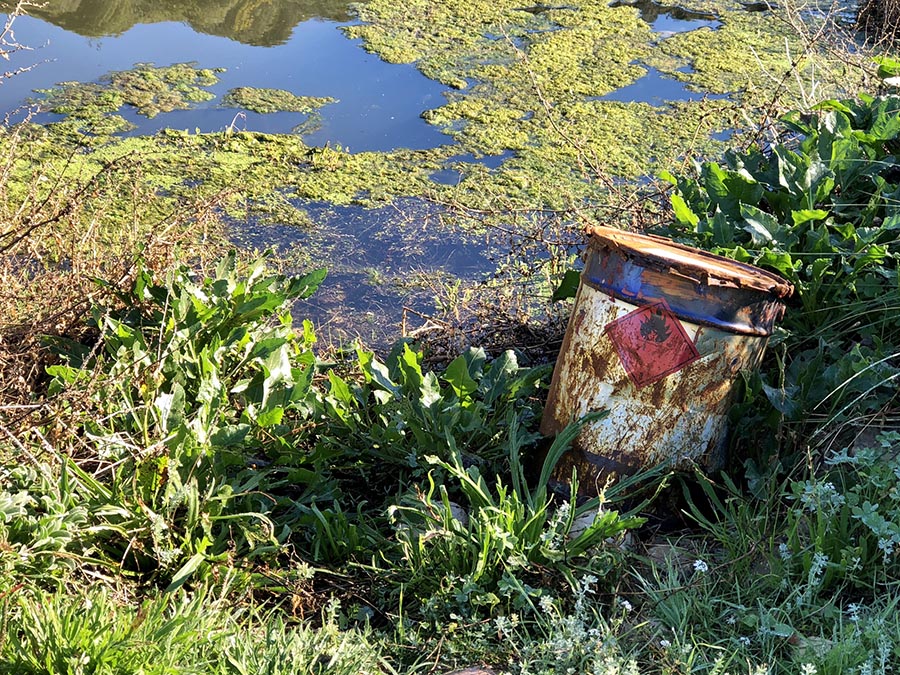
Understanding Chemical Contamination
Keep your family safe in an emergency! Learn how to protect your emergency drinking water supplies from heavy metals, pesticides, and other chemicals.
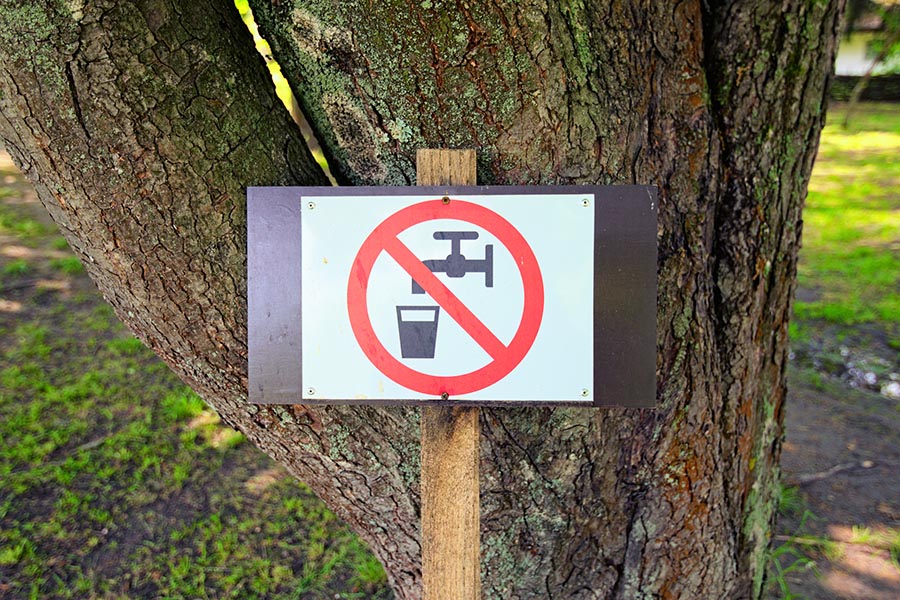
Understanding Biological Contamination
Understand how dangerous contaminants can infiltrate your emergency water supplies - and how to keep your family, livestock, and crops safe during emergencies.
Maintaining Water Quality in Storage
Keep your water safe in an emergency with best practices for protecting your supply from contamination, through maintenance, cleaning, and disinfecting.
How Do You Store Water?
Ready to take control of your water supply? Explore the various water storage options available and find the perfect solution for your home, farm, or business.
Why Store Water?
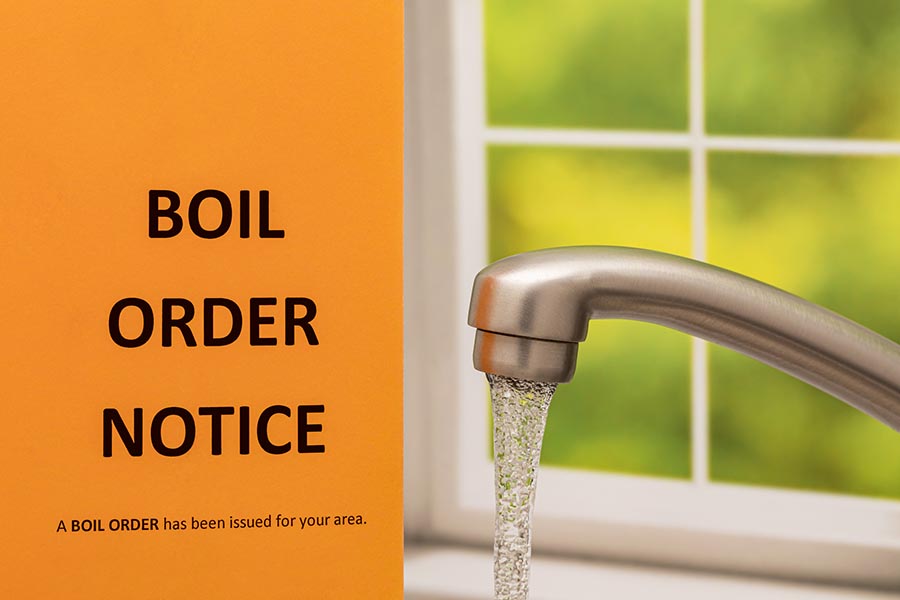
What would you do if your tap ran dry? Learn why storing drinkable water is a practical choice for keeping your family safe for daily use and emergencies alike.

What are NSF and NSF-61 Certified Liners?
The term NSF-61 is often tossed around in conversations with little clarification of its actual meaning or significance.

Storing Potable Water
The term wastewater can refer to several forms of contaminated water resulting from use in industrial, farm, and household activities.

Other Potable Water Uses
Most ponds and water features built for animals to drink from aren’t required to offer potable water

Why Use Potable Water in Ornamental Fish and Koi Ponds?
When making a home for fish that you want to keep around a while

Potable Water for Aquaculture and Algaculture
Fish grown to be consumed by humans need to live in safe, potable water.

Using NSF/ANSI 61 Certified Products in Hydroponics and Aquaponics
In its most basic form, hydroponics is the practice of growing plants without soil.

Sourcing High-Quality Water for Organic Farming
First, let’s clarify one point There is no such thing as organic water.

Using Potable Water in Agriculture
Farmers in some regions depend entirely on rainfall to provide water for growing crops

What is Potable Water, Exactly?
Specifically, potable water is free from harmful bacteria, germs, suspended impurities and salts.