

A Taste of What's Inside
We all know that water is essential for our survival. And we’re used to it being available at the turn of a knob. But have you ever stopped to think about where your water comes from and what would happen if that source was suddenly unavailable?
Nowadays, a reliable water supply is more valuable than ever. From unexpected emergencies to the desire for greater self-sufficiency, people are choosing to store water for all sorts of reasons.
In this chapter, we’ll look at those reasons and why having a safe and dependable water storage system is crucial, whether you’re a homeowner, a small business owner, or just someone who wants to be prepared for whatever life throws your way. So grab a glass of water (maybe from your own storage tank!), get comfy, and let’s take a look.
Why Store Water?
Self-Sufficiency: Taking Control of Your Water
In today’s world, more and more people are embracing the idea of self-sufficiency. The movement is about managing resources, reducing reliance on outside systems, and becoming more resilient in an uncertain world. And, naturally, access to water is the most basic need. Imagine having a completely independent water supply, free from municipal restrictions, rate hikes, or problems with contamination. That’s the kind of freedom and peace of mind that self-sufficiency can bring.
With your own water storage system, you’re in charge. This means you could collect rainwater, dig a well (with the proper permits, of course!), or even source water from a nearby spring or stream (again, make sure you’ve got the legal go-ahead!) when times are good and keep it safely for the hard times.
Now, achieving true self-sufficiency with water takes some planning and effort, of course. You’ll need to choose an appropriate storage solution, learn how to keep your water safe and clean, and maybe even learn a few new skills like rainwater harvesting or basic plumbing. But the rewards are well worth it!
Emergency Preparedness: When Life Throws You a Curveball
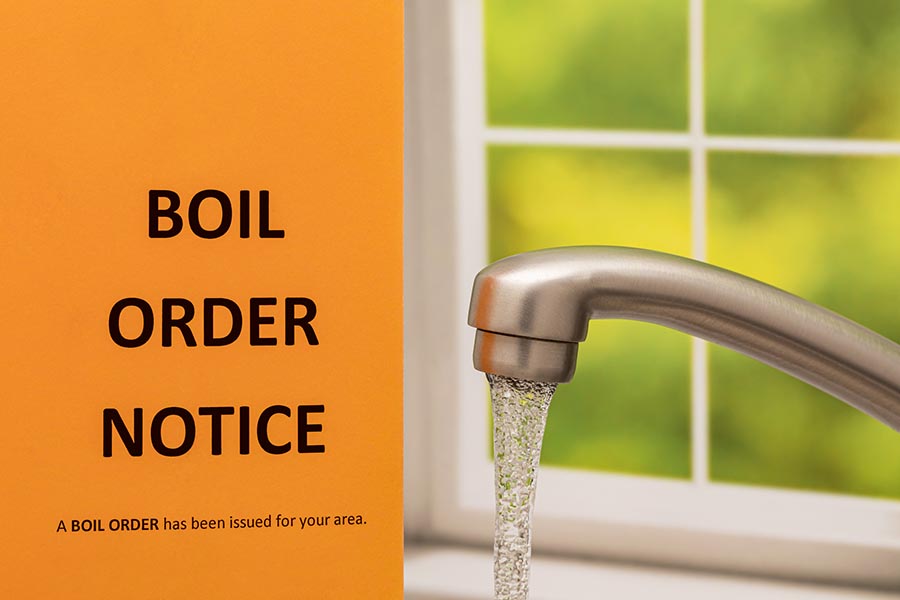
Imagine facing a boil water notice due to local contamination. Or mandatory water-use restrictions during a lengthy drought. Or, even worse, a flood that cripples local water treatment facilities for weeks or months. Suddenly, that readily available water from your tap isn’t so certain anymore. That’s where having your own water storage becomes invaluable, and a well-stocked emergency water supply can make all the difference. The confidence that you’ll have access to clean water even when the unexpected happens can bring you peace of mind. It means you can stay hydrated, cook, clean, and care for your family without worrying about where that next drop is coming from.
If you’re planning for the unexpected, you might wonder, “How much water do I need to store?” The general rule of thumb is to have at least one gallon per person per day. With a family of four, you’d aim for a minimum of four gallons per day. And it’s a good idea to have enough stored for at least three days. Or more, just to be on the safe side. After all, having some water stored is always better than none!
Farming and Agriculture: Water for a Bountiful Harvest
There’s no question that water is the lifeblood of farming, whether you’re raising livestock, growing fruits and vegetables, or managing a high-tech hydroponic greenhouse. It’s undoubtedly tempting to rely on rainfall or municipal water sources for all your needs, but that can be a gamble when droughts, water restrictions, and rising costs can all impact your bottom line and jeopardize your food supply.
However, establishing personal water reserves gives you greater control over your operation and reduces your vulnerability to external factors. You can ensure your crops and livestock can survive even during disruptions, giving you a level of control that can make all the difference.
Here’s how stored water can benefit your farming or agricultural operation:
- Keep your crops hydrated and productive, even when rainfall is scarce.
- Ensure your animals have access to the fresh water they need, day in and day out.
- Reduce your reliance on expensive municipal water and protect yourself from rate hikes.
- Enjoy a buffer during dry periods that keeps your farm operating.
Why Safe Storage: Because Quality Matters
We’ve talked about many compelling reasons to store water, but let’s be honest – it’s not just about quantity; it’s about quality. You need safe, clean water that won’t risk the health of your family, your animals, or your garden.
That’s where reliable water storage comes in. For drinking water, water for washing, or water for your prize-winning tomatoes, it needs to be free from contaminants, pathogens, and harmful pollutants. Even if you’re not drinking the water directly, contamination can pass through to your food, lead to unpleasant odors and off-putting tastes, and encourage harmful bacteria and algae.
Putting a Lid on It
We’ve covered the key reasons why storing water is a good idea. But there's more to establishing and maintaining a dependable water supply. The next chapter will consider the different types of water storage available and help you find the perfect fit.

