

A Taste of What's Inside
In early 2023, a relentless series of atmospheric rivers battered the western United States, bringing record-breaking rainfall and causing widespread flooding across Southern California, the California Central Coast, Northern California, and even into Nevada.
Nine such storms hit between December 26, 2022, and January 17, 2023, causing rivers to rage with unprecedented force, overwhelming banks, and inundating nearby towns and cities. Many communities across the state faced significant flooding and disruptions in essential services, including potable water supplies.
Our scenario features a hypothetical town tucked along the San Lorenzo River among picturesque redwood forests and rolling hills. It's a popular tourist destination with a unique collection of independent local businesses. However, its proximity to the river left it vulnerable to the rising floodwaters.
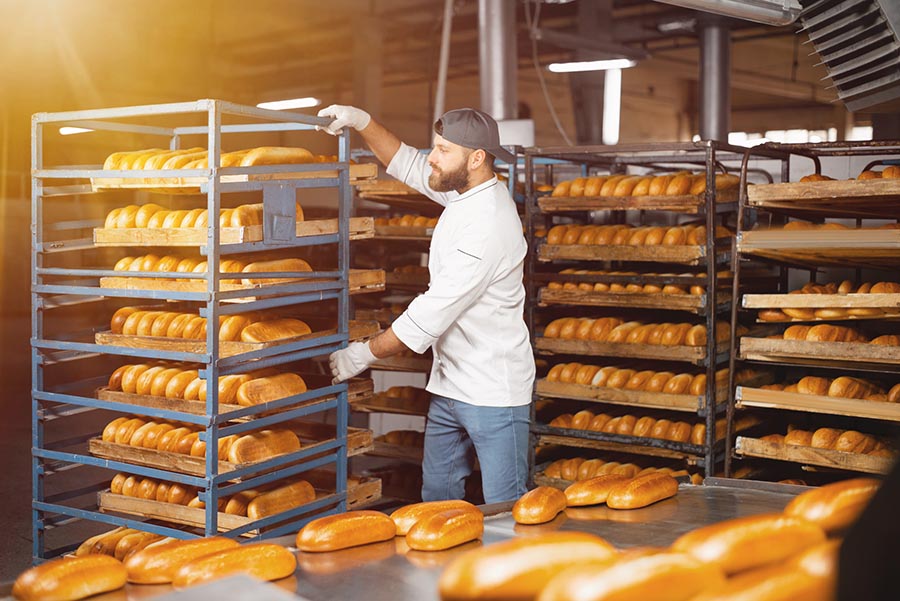
Among the businesses impacted was a beloved local bakery renowned for its artisanal bread and pastries. Fortunately, the bakery's owners had installed an emergency potable water system a few years prior, driven by a growing awareness of the region's vulnerability to natural disasters.
The Problem
In early January, the San Lorenzo River overflowed its banks after days of relentless rain. Floodwaters inundated the town, damaging homes, businesses, and critical infrastructure. As emergency responders struggled to navigate the flooded streets, many residents were cut off from essential services.
One of the most pressing concerns was the town's water supply disruption. Floodwaters had breached the water treatment plant, causing significant damage and contaminating the community's reservoir. When a "Do Not Drink" advisory was issued, residents had no access to safe drinking water. Losing clean water was a devastating blow for this moderately remote community, already isolated by the widespread disaster.
Fortunately, power was restored relatively quickly to the downtown area, and despite significant challenges, the owners and employees of the bakery were determined to continue serving their community during the emergency.
The Solution
Faced with extremely limited water supplies and the need to maintain the highest hygiene standards, the bakery's owners turned to their emergency potable water system, consisting of five 20,000-gallon tanks.
Each tank was lined with a custom-fabricated RPE (reinforced polyethylene) potable water liner. The owners had chosen RPE for its exceptional longevity, affordability, and ANSI/NSF-61 certification for contact with drinking water.
Upon installation, the tanks were filled gradually over several months using the municipal water supply to ensure a clean and safe water source. The tanks were sheltered under custom RPE covers to prevent dust and debris from entering the storage tanks.
In addition to the RPE liners, the bakery's emergency water system included a UV disinfection system to neutralize biological contaminants, ensuring it met the highest standards for potable use.
Once power was restored to the downtown area, and after verifying the water storage system hadn't been damaged by the floods, the bakery's management was confident they could resume serving their community despite the ongoing water crisis.
Overcoming the Challenges
With the town's water supply compromised and a boil water advisory still in effect across the community, the bakery's emergency potable water system proved reliable for all the bakery's needs. This meant the bakery could quickly resume operations while maintaining hygiene and sanitation standards, allowing them to continue producing their popular breads and pastries without significant interruptions until the boil water advisory was canceled a week later.
Community Impact
While many businesses were forced to close due to the lack of clean water and other challenges, the bakery's ability to reopen so quickly after the flood buoyed the community's spirit. It became a source of pride and comfort for residents and a welcome respite for emergency responders.
The bakery's owners and employees worked overtime to provide free bread and pastries to families in emergency shelters and the first responders working nearby. Their generosity and determination encouraged those directly affected by the flooding.
The bakery itself quickly became a central point for information. Residents stopped by to share updates, offer mutual support, and access reliable information about developments. As the bakery emerged as a community hub, a few local relief organizations set up supply points nearby, distributing drinking water, food, and other essentials.
Recognition and Appreciation
The bakery's determination to continue serving its community during the early days of recovery earned them widespread acclaim and affection. When their story was featured in local news reports and social media, they established a reputation as a unique tourist "destination," which still endures.
Over time, the bakery's successful response to the crisis has inspired other businesses in the town, many of whom have invested in similar disaster preparedness plans. Many have installed emergency water storage systems, backup generators, and other infrastructure improvements to increase their resilience to future disruptions. The disaster response has also sparked a broader conversation within the community about improving community-level preparedness.
Putting a Lid on It
This imaginary community and its imaginary bakery demonstrate the value of emergency preparedness, especially for businesses that provide essential services to their communities. Their investment in a reliable potable water storage system allowed the bakery to weather a major crisis, maintain operations, and continue serving its customers and community during a critical time. Their efforts have paid off with increased customer loyalty, added tourism, and a stellar reputation within the community.

