

A Taste of What’s Inside
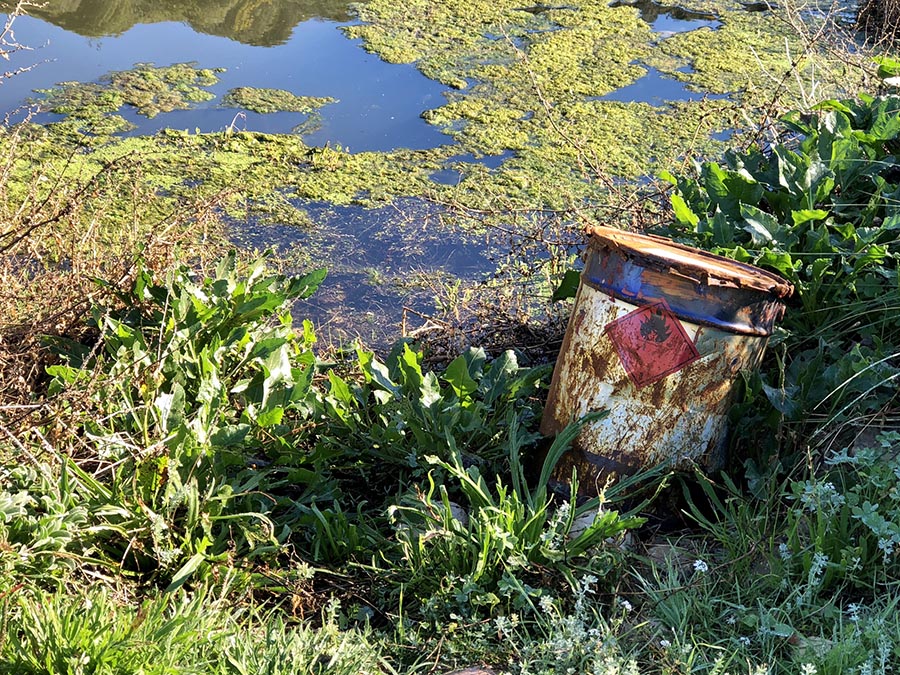
Nobody wants to think about drinking a chemical stew. Yet the truth is that chemical contaminants are often present in stored water. These contaminants can pose serious health risks to your family and livestock, not to mention environmental damage. This chapter explores the different types of chemical pollutants, their sources, and how to protect your water supply.
Heavy Metals
Heavy metals—sounds like your dad’s favorite music genre, right? But they’re real, and some can be pretty dangerous if they end up in your stored water. These metals are denser than the “typical” metals we encounter every day and can sneak into your water supply in surprising ways. While some heavy metals, like iron and zinc, are essential for human health in small amounts, others can be toxic even at low concentrations.
Health Risks of Heavy Metals
Consuming water contaminated with heavy metals can have serious health consequences. The exact effects depend on the metal type, exposure level, and individual susceptibility.
Some heavy metals, such as lead and mercury, can cause neurological damage, leading to developmental delays in children or cognitive problems in adults. Others can accumulate in the kidneys or liver, impairing their function and sometimes leading to serious health problems. Some heavy metals are known or suspected carcinogens (cancer-causing agents). Heavy metals can also contribute to a range of other significant health issues, including cardiovascular problems, reproductive issues, and weakened immune function.
Sources of Heavy Metal Contamination
Heavy metals can find their way into your stored water from unexpected sources. For example, industrial processes often release wastewater containing heavy metals like lead, mercury, and cadmium. Therefore, heavy metals may already be in your water if your water source is downstream of industrial areas or runoff leaches into the local groundwater.
You might not expect heavy metals to take to the skies, but tiny particles from industrial emissions, vehicle exhaust, and wildfires can carry heavy metals. These particles can settle onto the water’s surface or enter through openings in your storage system.
In some areas, heavy metals occur naturally in the soil or bedrock. Over time, erosion can carry these metals into groundwater sources and contaminate your water supply. As if that weren’t enough, heavy metals are known to enter water sources through improper disposal of industrial waste, mining activities, and treated lumber.
Even your household plumbing can be a source of heavy metals. Older pipes, especially those made of lead or galvanized steel, can corrode over time, releasing heavy metals into your water.
Pesticides and Herbicides
Farmers and gardeners commonly use pesticides and herbicides to control pests and weeds. But these chemicals can pose a threat to your stored water, potentially harming your family, livestock, and even your crops. Let’s consider how these chemicals can sneak into your water supply:
Health Risks of Pesticides and Herbicides
The health effects of pesticide and herbicide exposure vary depending on the chemical, its concentration, and how often or long you’re exposed to it. Some of these chemicals can be pretty harmful, even in small amounts.
Some herbicides, like atrazine, can disrupt your body’s hormones and cause developmental and reproductive problems. Organophosphate pesticides, widely used in agriculture, can affect your nervous system, causing tremors, weakness, and cognitive issues. Others are known carcinogens (cancer-causing agents) or can trigger respiratory problems, skin irritation, and immune system dysfunction.
Sources of Pesticide and Herbicide Contamination:
Agricultural Runoff
Rainwater can wash pesticides and herbicides from fields and crops into nearby water sources, including rivers, lakes, and groundwater. If you collect rainwater or draw water from a well in an agricultural area, these chemicals are probably in your water supply.
Aerial Spraying
Crop dusting and other aerial spraying methods disperse pesticides and herbicides over broad areas. These chemicals can drift onto your property and contaminate your water storage, especially if it’s uncovered.
Improper Disposal
Incorrect disposal of pesticide and herbicide containers or leftover chemicals can contaminate soil and water sources.
Urban Use
Even in urban areas, pesticides and herbicides used on lawns, gardens, and parks can be carried by rainwater runoff into storm drains and eventually into local water sources.
Other Chemical Contaminants
In addition to the heavy metals and pesticides we’ve already discussed, several other chemical contaminants can infiltrate water sources. Let’s look now at some others that can lurk unseen in your stored water.
Health Risks of Chemical Contaminants
If you’re concerned about the safety of your stored water, you’re not alone. Many of these chemicals are poorly understood, and their long-term effects on human health and the environment are still being investigated. Some can cause immediate problems like skin irritation or stomach upset, while others can have long-term effects like hormone disruption, organ damage, or even cancer. And it’s not just you at risk - these chemicals can build up in the food chain, affecting your livestock and the entire ecosystem.
Sources of Other Chemical Contaminants
Volatile Organic Compounds (VOCs)
These mobile chemicals can easily vaporize and migrate into water sources through the air. They can come from industrial processes, gasoline spills, or everyday household products like paints and cleaning supplies. Some common VOCs include benzene and toluene, which can have serious long-term health effects.
Pharmaceuticals and Personal Care Products
Think medications, lotions, and even those fragrant soaps and shampoos you use every day. These products can contain chemicals that end up in wastewater and eventually find their way into our water supplies. Even tiny amounts of these chemicals can disrupt hormones and cause other health problems.
Industrial Chemicals
The industrial world is a vast chemical playground; unfortunately, some of those chemicals can end up in our water. These can include everything from solvents and fertilizers to other chemicals used in manufacturing and processing.
Other Hidden Chemicals
The list goes on and on! Other potential contaminants include things like PFAS (those “forever chemicals” found in nonstick cookware and firefighting foam), microplastics (those tiny ubiquitous bits of plastic), and even radioactive materials.
Know Your Water, Know Your Risks
To protect your health, livestock, and crops, you must understand what chemical contaminants may appear in your source water. The types that might be present in your water are largely determined by where you live. Pesticides and herbicides could be a concern if you’re in an agricultural area, for example. If you’re near industrial sites, heavy metals or industrial chemicals might be present. Even urban areas have their characteristic contaminants, such as VOCs from vehicle emissions.
Testing for Chemical Contamination
Sending water samples to a certified laboratory is the best way to understand the chemical contaminants in your stored water. Labs can detect a broader range of pollutants, including heavy metals, pesticides, herbicides, VOCs, and PFAS. They can also provide a detailed report with recommendations for treatment if necessary.
Preventing Chemical Contamination
Preventing chemical contamination is the most effective way to ensure the safety and quality of your stored water. Safeguarding your water supply starts with investigating potential chemical contaminants in your area. Agricultural regions may have pesticide runoff, industrial areas may have heavy metals, and urban areas may have smog and industrial runoff. Choose the cleanest water source possible, then keep it protected. Divert runoff from agricultural fields or industrial sites, keep livestock away from your water source, and be mindful of what you use and dispose of near your water supply.
Your storage system is your water’s first line of defense. Opt for high-quality materials that won’t leach harmful chemicals into your water, and use a liner specifically designed for potable water storage. If practical, keep your water tightly sealed to prevent VOCs from invading your water supply.
Handle your stored water carefully to avoid introducing chemical contaminants. Use clean tools and equipment, and wash your hands thoroughly before any contact with your water storage system. Follow up by cleaning and inspecting your storage system on a regular schedule. Remove any debris or buildup, especially biofilms, which can trap and hold onto chemical pollutants.
Putting a Lid on It
In this chapter, we’ve explored the surprising chemical threats that can lurk in your stored water – from harmful heavy metals to pesticides and pharmaceuticals – and we’ve shared valuable tips for understanding where you’re most at risk.
But even if you discover more than one type of contaminants, all is not lost. In the next chapter, we’ll discuss several treatment options available for tackling both biological and chemical pollutants, from simple filtration to advanced purification techniques, we’ll guide you through the process of making your stored water safe and ready for any use.

