

The core principle of a biorefinery model is to treat the harvested algal biomass not as a single crop but as a biochemical factory containing a portfolio of valuable compounds. Instead of aiming for a single end product, the operation sequentially extracts multiple products of decreasing value from a single harvest.
Ideally, this process works as follows: First, the highest-value, lowest-volume components are extracted (perhaps a rare pigment for the high-margin supplement market). Next, from the remaining biomass, bulk proteins are extracted and purified for animal feed or human food markets. Finally, the residual biomass, now rich in lipids and carbohydrates, can be used as a feedstock for biofuel or bioplastics.
In this model, the revenue from the high-margin specialty products subsidizes the entire operation. This financial cushion can make the production of lower-margin commodity products, like biofuel, profitable even with today’s technology. This approach transforms a high-risk commodity play into a diversified specialty biochemical operation, significantly reducing market risk and creating a more robust path to profitability. This chapter breaks down how that model works in practice.
Tier 1: High-Margin Specialties
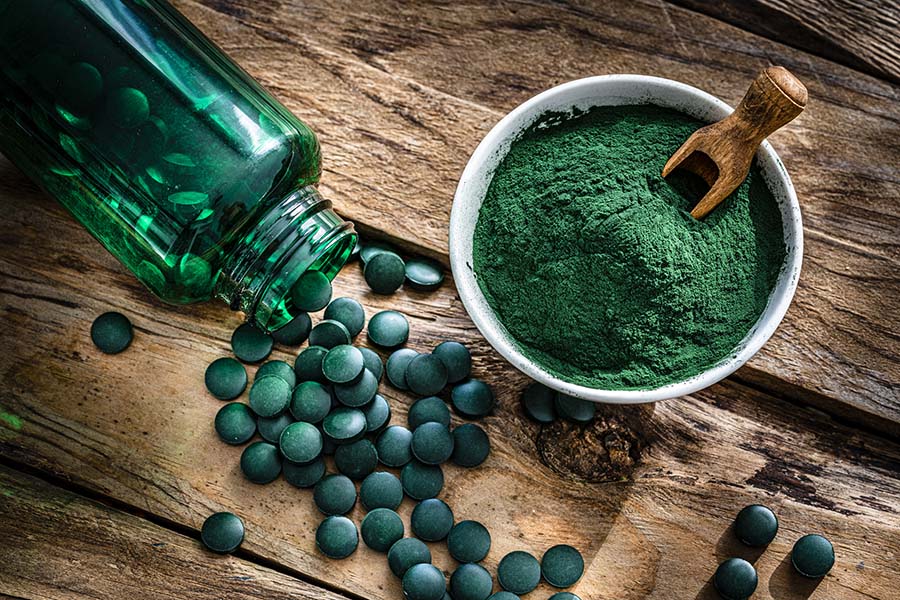
At the top of the value stack are the highest-margin products: specialty ingredients for the nutraceutical, dietary supplement, and cosmetics markets. These are currently the most mature and profitable segments of the algae industry, thanks to powerful consumer trends toward wellness, natural ingredients, and “clean beauty.” Products in this category include high-purity Spirulina and Chlorella, as well as antioxidants such as astaxanthin and sustainable, plant-based Omega-3 fatty acids.
These specialty ingredients command premium prices, but that value depends entirely on a guarantee of extreme purity for any product intended for human consumption or skin contact. This is where the cultivation system itself, particularly the pond liner, becomes a critical component of quality control.
An unlined pond exposes the culture to potential contamination from heavy metals, pesticides, or other pollutants in the soil, making it an unacceptable risk for this market. Only a high-quality geomembrane liner can create the clean, isolated bioreactor needed to produce a pure product.
Furthermore, it’s not enough to simply have a liner; the liner material itself (such as reinforced polyethylene or RPE) must be certified as safe for the application. For any operator planning to produce food-grade or nutraceutical products, using a liner that is certified to NSF/ANSI 61 for potable water contact is non-negotiable. This certification ensures that the liner won’t leach plasticizers or other chemicals into the culture. However, not all products made from the same material are certified. Check with your supplier to ensure the liner you’re installing has this seal so you can guarantee that your final product remains as pure as the algae that produced it.
Tier 2: Valuable Bulk Products
Sitting between Tier 1 (high-value extracts) and Tier 3 (bulk commodities) is the workhorse of the value stack. After the highest-value specialty compounds are extracted, the operation is left with a large volume of biomass that is remarkably rich in protein. This protein fraction becomes the feedstock for the next level of valuable products in the agriculture and aquaculture industries.
Animal and Aquaculture Feed
Animal feed is a primary market for protein-rich biomass. Algal meal is not just a sustainable alternative but often a nutritional upgrade to traditional ingredients like fishmeal and soy. Rich in protein, vitamins, and essential fatty acids, it improves animal health and, in turn, enhances the food they produce—for instance, by enriching milk and eggs with healthy fats and omega-3s. This alternative is especially critical in the massive aquaculture industry, where algae-based feed can directly replace ingredients currently sourced from overfished species.
High-Quality Fertilizers
Alternatively, this same protein-rich biomass can be processed into a high-quality, slow-release organic fertilizer. Because protein is a key source of nitrogen, this algal by-product is a valuable input for crop farming, creating another significant revenue stream from the same mid-tier material.
Tier 3: Residual Commodities
At the base of the value stack are bulk commodities made from the final residual biomass—what’s left after the high-value extracts and proteins have been removed. This material, now primarily composed of lipids (oils) and carbohydrates, becomes the feedstock for biofuels and bioplastics. While these products can be pretty challenging to produce profitably on their own, they quickly become viable within a biorefinery model where their production has been subsidized by higher-tier products.
Biofuels
The lipids are first extracted from the residual biomass and converted into renewable fuels. Algae are considered a “third-generation” biofuel feedstock, holding immense promise because they can be cultivated on non-arable land, avoiding the “food vs. fuel” conflict that has dogged corn-based ethanol. These algal lipids can, in turn, produce several types of fuel, including biodiesel and Sustainable Aviation Fuel (SAF), a crucial option for the airline industry to meet its aggressive decarbonization goals.
Bioplastics and Soil Amendments
After lipids have been extracted for fuel, the final remaining material—now mostly carbohydrates and other trace organic matter—can be used for one of two purposes. It can serve as a feedstock for producing the biodegradable polymers used in bioplastics. Or, in a final step to ensure absolutely nothing is wasted, it can be used as an organic soil amendment, closing the nutrient loop and returning carbon to the earth.
Field Notes: Clearly, the biorefinery model is all about maximizing revenue and aggressively cutting costs. So think what it would mean to get your single biggest nutrient—carbon—for free. See if you can partner with an industrial neighbor like a power plant or brewery. If you pipe their waste CO2 directly to your production ponds, that will slash a major operational expense from your budget. You might even get paid for carbon capture!
Looking Ahead
The “value-stack” biorefinery is today’s most sophisticated business model for making open pond technology profitable. It’s a powerful strategy for maximizing revenue and reducing risks associated with a complex operation.
But what lies beyond the current state of the art? The algae industry is constantly evolving as ongoing research pushes the boundaries of both cultivation technology and business strategy. Our final chapter will explore innovative business models that generate revenue from environmental services, and the transformative potential of genetic engineering.

