

Introduction
Winery wastewater treatment employs a sophisticated synergy of scientific principles and technologies designed to recycle valuable water resources while mitigating environmental impact. This process harnesses mechanical, biological, and chemical treatments to remove contaminants and reduce the overall load of organic and inorganic materials. Understanding the science behind these treatment stages is crucial in optimizing a winery’s wastewater management practices and adhering to environmental regulations. Recent innovations in treatment technology promise new ways to enhance efficiency and sustainability in the winemaking industry. This article will examine the core scientific approaches that underpin winery wastewater treatment.
Characteristics of Winery Wastewater
Winery wastewater is notably diverse in its composition, which presents unique challenges for effective treatment and management. This wastewater is rich in organic matter, primarily residues from grapes such as skins, seeds, and stems, which are remnants of the crushing and fermentation processes. It also contains nutrients, notably nitrogen and phosphorus, which originate from both the winemaking process and cleaning agents used in facility maintenance. The impact of this organic load is typically measured in terms of biological oxygen demand (BOD) and chemical oxygen demand (COD), which indicate the amount of oxygen microorganisms consume to break down the organic materials in the water.
Nutrients
While essential for plant growth, high nutrient levels can have detrimental effects on water bodies and treatment processes:
Eutrophication Risk
One of the most significant environmental impacts of high nutrient levels is the risk of eutrophication in receiving waters. Eutrophication is a process where high concentrations of nutrients, especially phosphorus and nitrogen, promote excessive growth of algae and aquatic plants. This bloom can deplete oxygen levels in the water as plants decompose, leading to dead zones where aquatic life cannot survive.
Treatment Process Complexity
High nutrient levels complicate the wastewater treatment process. Traditional wastewater treatment systems are primarily designed to remove organic matter. They may need additional treatment stages to adequately reduce excessive nitrogen and phosphorus levels. Advanced processes such as nitrification and denitrification for nitrogen removal and chemical precipitation or biological phosphorus removal for phosphorus reduction may be required. These processes require careful management and control to achieve desired nutrient reduction levels.
Operational Costs
Implementing and operating advanced nutrient removal technologies increases operational costs. These systems often require additional infrastructure, increase energy consumption, and use costly chemicals. For wineries, especially smaller operations, these added costs can be significant, which creates challenges in balancing financial viability with regulatory and environmental demands.
Biological Oxygen Demand (BOD) and Chemical Oxygen Demand (COD)
High BOD and COD levels in winery wastewater impact the treatment process in several significant ways:
Increased Treatment Capacity and Costs
High BOD and COD levels often require more extensive and robust treatment systems to reduce organic loads to acceptable levels adequately. This need can lead to higher capital and operational costs due to the need for more complex and energy-intensive treatment technologies, such as advanced aeration systems for biological treatment or additional chemical dosing equipment.
Strain on Biological Treatment Processes
Biological treatment processes, which rely on bacteria and other microorganisms to break down organic pollutants, are often strained by high BOD levels. These organisms require oxygen to metabolize organic matter, and excessive BOD depletes oxygen levels faster than they can be replenished, inhibiting the breakdown process. Supplemental aeration is often necessary to add oxygen to the wastewater, which increases energy consumption and operational costs.
Chemical Treatment Challenges
High COD levels indicate the presence of both biodegradable and non-biodegradable organic matter. While biological processes can address the biodegradable portion, chemical treatments may be necessary to oxidize more resistant compounds. High COD often requires more frequent and higher doses of chemical oxidants, such as chlorine or ozone, which raises both material costs and the potential for generating harmful by-products that require further treatment.
Operational and Compliance Risks
Fluctuations in BOD and COD levels, particularly spikes often seen during harvest periods, can make it challenging to maintain consistent treatment performance. A winery must adequately manage BOD and COD levels to avoid non-compliance with discharge regulations and associated fines. The treatment process must be monitored and adjusted continuously to manage these fluctuations.
These wastewater characteristics illustrate the need for tailored wastewater treatment solutions in wineries. Effective management strategies must accommodate the variable strength and volume of wastewater while complying with environmental regulations intended to protect water quality. This balancing act requires a comprehensive approach to wastewater treatment, which considers the winery’s operational patterns and ecological responsibilities.
Fundamentals of Wastewater Treatment
The fundamentals of wastewater treatment encompass a series of processes designed to remove contaminants and impurities from water, rendering it safe for discharge into the environment or suitable for reuse. These principles are grounded in mechanical, biological, and chemical treatments, forming a comprehensive approach to managing wastewater.
Mechanical Treatment
The first process involves mechanical treatments that remove solid materials through physical actions. This stage includes screening, which traps larger solids, and sedimentation, where gravity helps to settle and separate suspended solids from the water. Mechanical filtration can also be used to remove finer particles. Mechanical treatment aims to reduce the load on subsequent biological and chemical treatment stages by eliminating as much physical debris as possible.
The physical debris removed during filtration, often referred to as screenings or primary sludge, must be appropriately handled and disposed of to prevent environmental contamination and adhere to waste management regulations. The specific handling and disposal methods can vary based on the type and volume of debris, local regulations, and available facilities. Standard options include landfilling, incineration, composting, or use as a soil amendment.
Biological Treatment
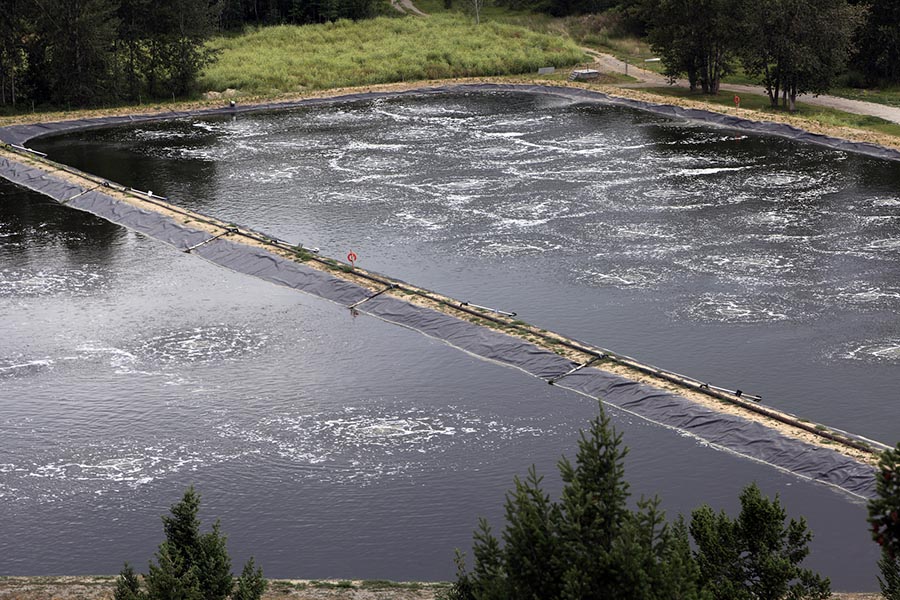
Biological treatment uses microbial organisms to degrade organic pollutants in the wastewater. This process relies on aerobic (with oxygen) and anaerobic (without oxygen) bacteria to break down organic matter, converting it into carbon dioxide, water, and biomass. Aerobic processes, often enhanced by aeration to increase oxygen supply, are effective for breaking down easily digestible organic compounds. Anaerobic processes are used for more complex organic materials and can produce biogas, a renewable energy source. Biological treatments reduce wastewater’s Biological Oxygen Demand (BOD) and Chemical Oxygen Demand (COD).
Chemical Treatment
Chemical treatment principles involve adding chemical agents to wastewater to remove or neutralize contaminants that are challenging to treat biologically. Processes such as chlorination, ozonation, and using coagulants and flocculants are common. These chemicals can kill pathogens, oxidize pollutants, and cause particles to clump together, making them easier to remove. The chemical treatment can also adjust pH levels, remove heavy metals, and reduce nutrient concentrations, improving water quality.
Advanced Treatment
Advanced treatment principles focus on additional purification steps to address specific contaminants or meet higher-quality water reuse standards. Techniques such as reverse osmosis, ultrafiltration, and advanced oxidation processes fall under this category. These processes can remove dissolved salts, organic compounds, and micropollutants, producing water of sufficient quality for irrigation, industrial use, or even potable applications.
Sludge Treatment and Handling
Nutrient removal processes, particularly chemical precipitation, often increase sludge production. The concentrated solids that form sludge require stabilization, dewatering, and disposal or reuse, which can be challenging and costly. However, anaerobic digestion processes can reduce the volume and toxicity of sludge and produce biogas, creating an opportunity for resource recovery.
Conclusion
Understanding the science of winery wastewater treatment is a critical aspect of winemaking. Understanding the unique characteristics of winery wastewater, such as high BOD, COD, and nutrient levels, is essential for designing effective treatment solutions.

