

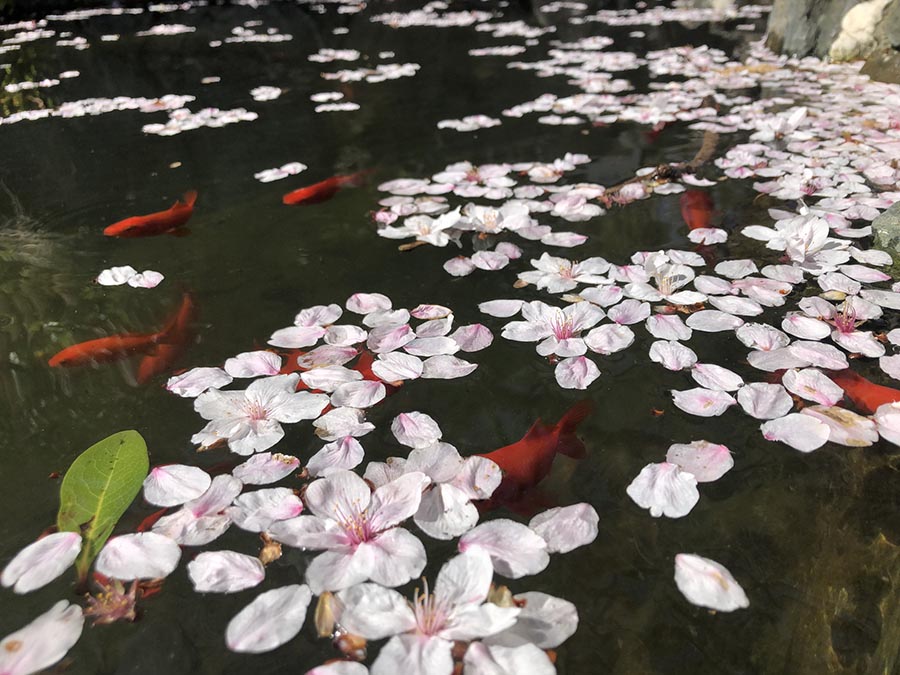
Like raising pets (or kids!), successful pond keeping is a year-round activity. Each season presents a unique set of challenges that require different management approaches. In this chapter, we’ll develop a practical, seasonal calendar of care. This gives us an opportunity to move from the “what” and “why” to the “when” and “how” of hands-on pond maintenance. We’ll start off with the most critical season of all: fall.
Fall Preparation
Believe it or not, the fate of your pond through the winter is decided in the fall. That sounds like a lot of pressure, doesn’t it? But the preparation you do during these crucial months will directly determine whether your fish emerge healthy and vibrant come springtime, or fall victim to the dangers of a sealed-off pond. Keep this in mind as the days get shorter: a little work now prevents a lot of heartache later.
Housekeeping: Debris Removal
The single greatest threat to your winter pond is the accumulation of organic matter on the pond floor. Sunken leaves, sludge, and dead plant material continue to decay through the winter months, consuming vast amounts of dissolved oxygen and releasing toxic gases. This makes fall’s primary goal removing as much of this organic material as possible.
Net Your Pond
Before the heavy leaf drop begins, stretch a pond net across the entire surface. This is the easiest way to get ahead of the problem by keeping the bulk of leaves from ever entering the water.
Trim and Tidy
Trim back dying or yellowing leaves from your aquatic plants to reduce the amount of decaying plant matter in the pond.
Light Vacuuming
If you have a significant layer of muck on the bottom, a light pass with a pond vacuum can help remove the waste. Be careful not to be too aggressive, as this sludge also contains beneficial bacteria. Take it down a notch or two, but not completely out.
Population Check: Stocking Density
Fall is your last chance to assess your pond’s population before the lid goes on. Remember, a winter pond has a significantly lower oxygen-carrying capacity than a summer pond, and an overstocked winter pond is at extreme risk of running out of oxygen. If your fish have bred over the summer and the pond has become crowded, go ahead and find new homes for the excess fish. If you don’t, the problem may solve itself by spring (sad face).
Watching the Thermometer
Nature rarely moves in a straight line, so deciding when your pond has “consistently” crossed a temperature threshold can feel like a trick question. So let’s take a practical look before you’re faced with putting your fish on a new diet.
- Don’t panic or react to a single day’s reading. The water in your pond has a significant thermal mass, so one cold night or a freakishly warm afternoon isn’t going to change its overall temperature very much. Ensure you’re monitoring the water temperature, not the air, and keep a close eye on the trends.
- Use a good pond thermometer and measure the temperature daily, at the same time and same depth - for example, mid-morning and approximately a foot deep. This will help ensure you’re comparing apples to apples.
- When you’re looking for a consistent reading, that means you’re looking for a trend of several consecutive days. If the temperature is bouncing above and below the target on every second or third day, it’s not consistent. You want it to cross the threshold and remain there for several consecutive days.
- Similarly, look for a consistent trend when the temperature begins to rise. Jumping in and out of seasonal diet changes based on daily variations isn’t good for your fish (or your nerves).
The Feeding Transition: Fueling Up and Winding Down
As the water temperature drops, your fish’s metabolism and digestion naturally slow down, so your feeding strategy must adapt.
Early Fall (Water consistently above 60°F)
The trees are colorful, and the scent of fall is in the air, so while the weather is still relatively mild, it’s time to build up energy reserves. Feed a high-quality, protein-rich food to help your fish bulk up for the long winter.
Mid-Fall (Water between 50-60°F)
The nights are getting nippy, and you might have even had to scrape your windshield a few times, but you’re not quite ready for the snow shovels. Still, your fish’s digestive systems are becoming sluggish, so switch to a highly digestible, low-waste food, such as one based on wheat germ. If your fish are consuming less, adjust the amount you feed accordingly. You don’t want an additional layer of organic waste on the pond floor once the ice cap forms.
Late Fall (Water consistently below 50°F)
STOP FEEDING. This is a critical, steadfast rule - no exceptions! At this temperature, a fish’s digestive tract has effectively shut down, and any undigested food remaining in their gut will rot, which can be fatal.
The Winter Vigil: Minimal-Intervention Monitoring
With your fall preparations complete, your role as a pond keeper shifts from active manager to quiet observer. The fish are in torpor, the pond ecosystem is sealed and stable, and your primary job is to let the preparations you made do their work. The philosophy for winter is “less is more.” Intervene as little as possible.
Your Daily Checklist: Observe from a Distance
Winter monitoring should be quick, quiet, and done from the edge of the pond.
Check the Air Hole: This is your #1 priority. Every day, visually confirm that the hole in the ice created by your de-icer or aeration system remains open. This opening is the pond’s only lifeline for releasing toxic gases and absorbing trace amounts of oxygen.
Check Equipment: A quick glance is all you need. Is your de-icer or aerator running? Is it free from being fully encased in ice?
Monitor Snow Cover: A few inches of snow can help insulate the pond, but be mindful of a very deep layer (a foot or more) that lasts for weeks. This blocks all sunlight, stopping any potential for photosynthesis.
Look for Predator Tracks: The open water and the promise of a meal can attract predators like herons, minks, or raccoons. Keep an eye out for tracks in the snow so you can take appropriate measures if needed.
Observe Your Fish (If Possible): If the ice is clear, you may be able to see your fish. They should be resting quietly at or near the bottom. Fish gasping for air at the surface hole is a sign of a severe water quality crisis.
The Hands-Off Rules: What NOT to Do
This list is just as important as the one above. Resisting the urge to “help” is a critical winter skill.
DO NOT break the ice: Smashing the ice with force sends powerful and stressful shockwaves through the water that can harm or even kill fish in their sensitive torpid state.
DO NOT feed your fish: This rule is absolute. Their digestive systems are not working, and any food you add will simply rot and pollute the water.
DO NOT add chemicals: The water chemistry under the ice is in a fragile balance. Avoid adding algaecides or other treatments unless you are addressing a specific, tested water quality emergency.
Remember: your job during the winter is to be a guardian, not a tinkerer. Trust in your fall preparations, ensure the pond can breathe, and patiently wait for the spring thaw.
Spring Awakening: Safely Restarting the Pond Ecosystem
The crocuses are emerging, the robins are singing, and the days are perceptibly longer. The temptation to celebrate winter’s end and jump straight into summer pond mode is nearly irresistible! However, this transition period is one of the most delicate times for your fish. Their immune systems are suppressed, their energy reserves are depleted, and the water quality can be poor after months under ice. Patience is your most important tool in the spring; a slow, deliberate restart is essential for a healthy season.
The Thaw: Water Quality First
The moment the ice is completely gone, your first priority is the water itself. It may look clear, but it can be full of dissolved organic compounds and low on oxygen.
Perform a Partial Water Change
Perform a 25-30% water change as soon as possible. This is the single best thing you can do to quickly dilute accumulated toxins and waste from the winter and provide a fresher environment for your weakened fish. Remember to use a dechlorinator if your source is city water.
Test Your Water
Get a baseline reading of your key water parameters—ammonia, nitrite, and pH. This will indicate whether the winter has caused any significant problems that need to be addressed immediately.
Add Beneficial Bacteria
A dose of beneficial bacteria can help “kick-start” your biological filter and begin breaking down any remaining waste.
System Restart: Waking Up the Filters
Don’t rush to turn on your pumps, waterfalls, and filters. Restarting the circulation system too early, when hard freezes are still possible, can super-chill the water and stress your fish.
Wait for Stable Weather
Wait until the threat of prolonged, hard freezes (temperatures in the 20s or below for many hours) has passed.
Clean Your Equipment
Before plugging in your system for the season, give your filter pads, skimmer basket, and pump a thorough cleaning. You want to start the season with clean, efficient equipment, not by pumping a winter’s worth of filter gunk back into the pond.
Waking the Fish: The Return to Feeding
As the water warms, your fish will slowly emerge from torpor. They’ll be lethargic, and their digestive systems will be slow to wake up. Reintroducing food must be done carefully, based on water temperature.
Hold Off on Feeding
Do not feed your fish until the water temperature is consistently above 50°F.
Start Small and Simple (50-60°F)
For the first feedings, use a very small amount of the same highly digestible wheat-germ-based food you used in the fall. Only offer what they can eat in a minute or two, once a day.
Transition to Summer Food (Above 60°F)
As the water continues to warm and the fish begin to move around more and actively seek food, you can gradually transition back to your high-protein summer food.
You’ve done it!
A patient spring restart is the final step in a successful overwintering plan, and now you (and your pond) are both ready for a vibrant and healthy summer!

